

Introduction
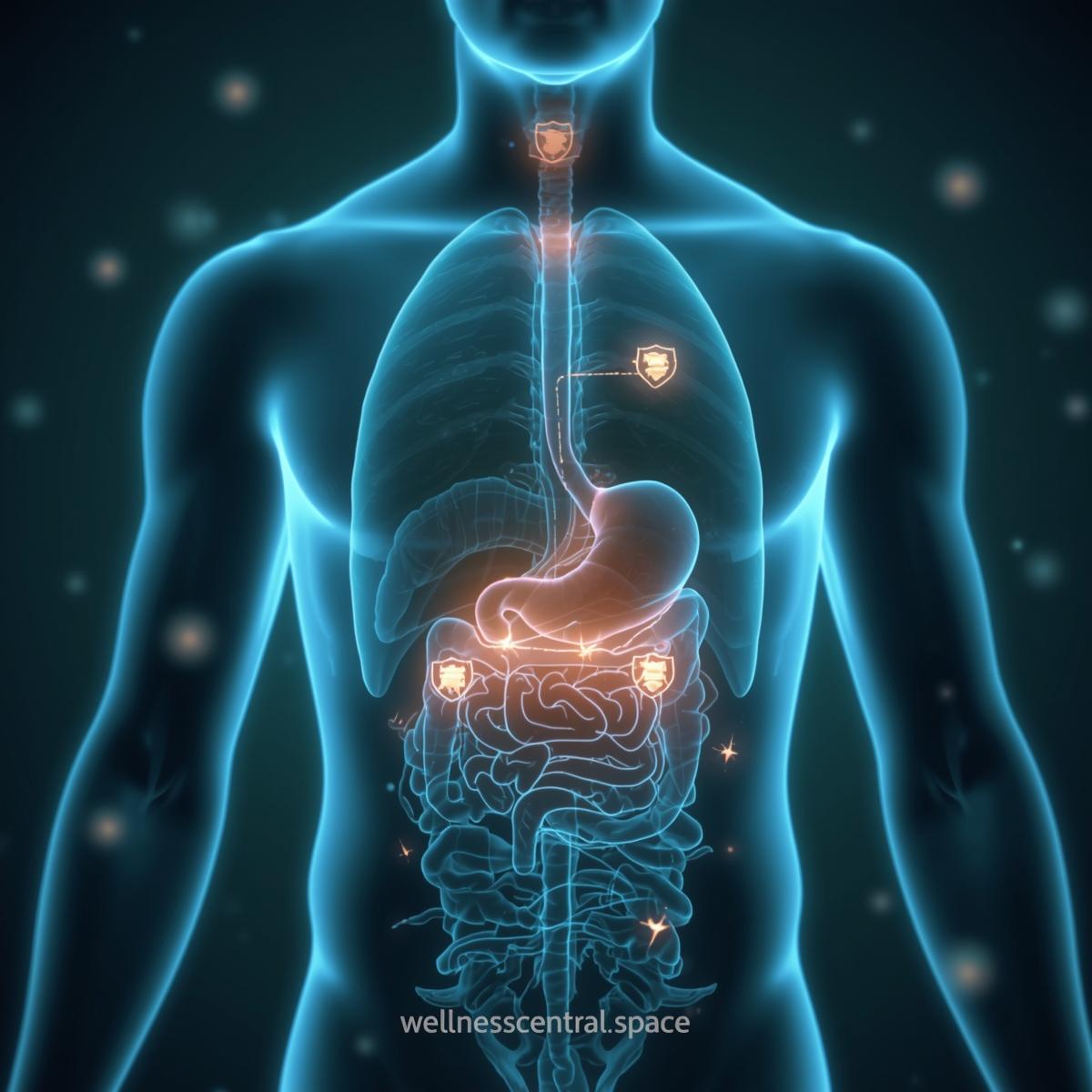
The gut is more than a digestive system. It contains a network of cells and bacteria that interact with the brain and immune system. This interaction affects digestion, immunity, and overall body regulation.
Gut health depends on the balance of bacteria, immune cells, and the lining of the digestive tract. Disruption in this balance can influence energy levels, response to infection, and cognitive function.
This article explains why gut health is important and how it connects with the brain and immune system.
The Gut-Brain Connection
The gut communicates with the brain through the vagus nerve, hormones, and chemical signaling. Signals from the gut influence mood, energy, and stress response.
Neurotransmitters produced in the gut, such as serotonin and dopamine precursors, play a role in signaling. Imbalance in the gut may affect brain signaling and cognitive function.
Gut-Brain Interaction
- Gut bacteria influence neurotransmitter production
- Inflammation in the gut can alter brain function
- Nutrient absorption affects neural activity
A balanced gut supports stable communication between the gut and brain.
Gut and Immune Function
The gut contains a large number of immune cells. Gut-associated lymphoid tissue (GALT) monitors bacteria and pathogens.
Gut bacteria assist in regulating immune cell activation and inflammation. Disruption in gut bacteria can reduce immune signaling and slow response to threats.
Gut-Immune Interaction
- Gut lining acts as a barrier to pathogens
- Beneficial bacteria help regulate immune response
- Imbalance can increase susceptibility to infection
Healthy gut patterns support immune function over time.
Digestive Processes and Nutrient Absorption
Proper gut function ensures nutrient breakdown and absorption. Without efficient digestion, cells do not receive the energy and building blocks required for immune and neural function.
Malabsorption may affect protein, vitamins, minerals, and fiber availability.
Key Roles of Gut in Digestion
- Breaks down macronutrients for absorption
- Supports vitamin and mineral uptake
- Produces short-chain fatty acids for energy and immune regulation
A healthy gut supports metabolic and cellular function.
Gut Microbiota Balance
Gut microbiota includes bacteria, viruses, and fungi. A balanced microbiota supports digestion, immune regulation, and communication with the brain.
Imbalance, called dysbiosis, can occur due to poor diet, stress, antibiotics, or illness. Dysbiosis may lead to inflammation, irregular digestion, and altered immune response.
Maintaining Gut Balance
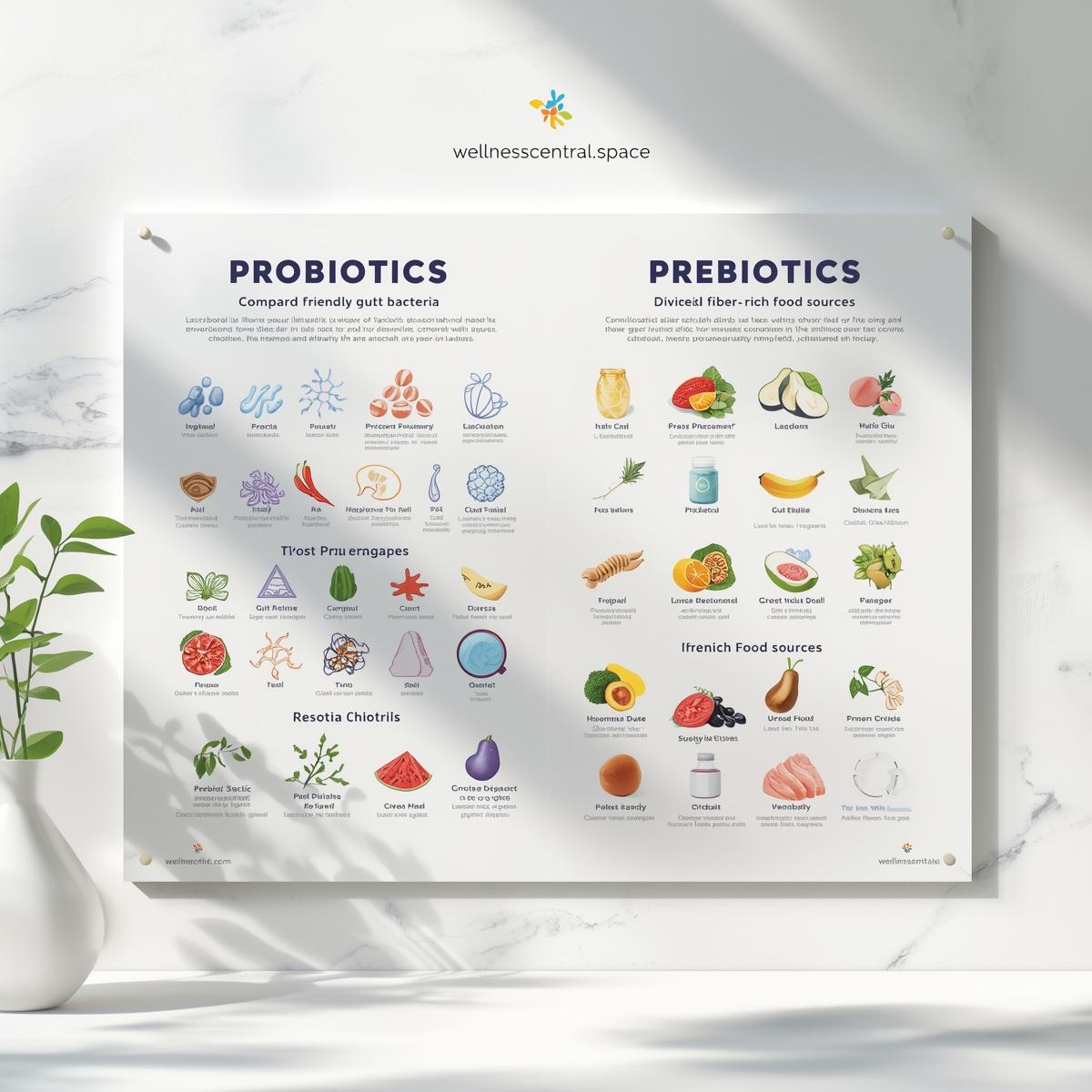
- Consume fiber-rich foods
- Include fermented foods
- Limit excessive processed foods
- Manage stress and sleep
Balanced microbiota ensures coordinated signaling and function.
Signs of Gut Imbalance
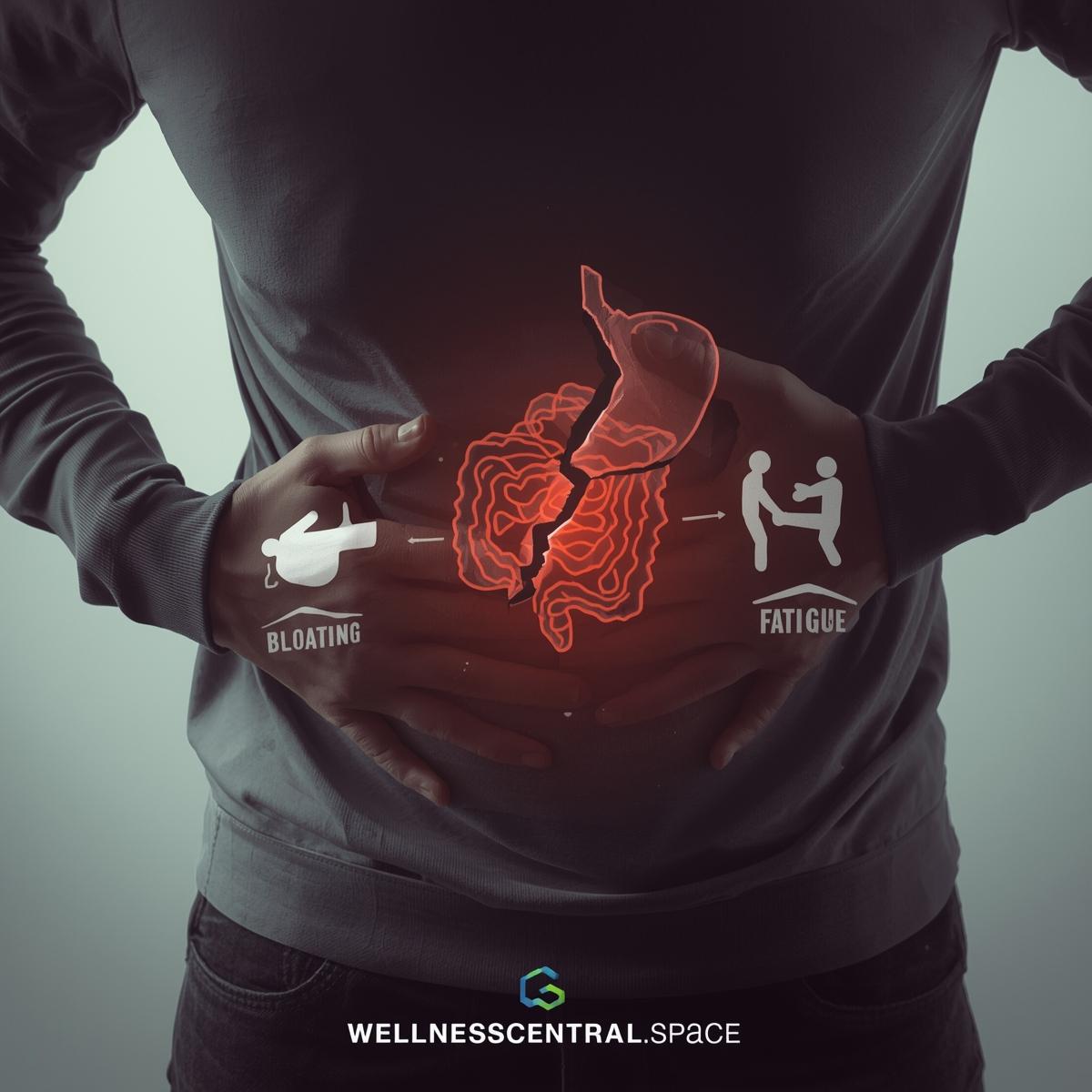
Early disruption in gut health may appear as:
- Changes in digestion, such as irregular bowel movements
- Low energy levels
- Altered mood or concentration
- Increased inflammation
Recognizing these patterns allows intervention before chronic problems develop.
The Gut and Chronic Disease Risk
Persistent gut imbalance can influence risk factors for chronic conditions. Dysbiosis may contribute to inflammation-related conditions, metabolic irregularities, and immune dysregulation.
While gut health alone does not prevent disease, it supports overall system regulation.
Daily Habits That Support Gut Health
- Consistent meals with fiber sources
- Hydration for digestive function
- Physical activity to support gut motility
- Adequate sleep for immune and microbial regulation
- Stress management to reduce inflammation
Routine support strengthens gut integrity and microbiota balance.
Conclusion
Gut health is central to the body’s regulation. It interacts with the brain and immune system, supports digestion, and influences energy and recovery. Maintaining balance through diet, hydration, sleep, and movement supports overall health.
Focusing on gut health ensures proper communication between systems and allows the body to respond efficiently to stressors, pathogens, and nutrient demands.





Leave a Reply