

Introduction
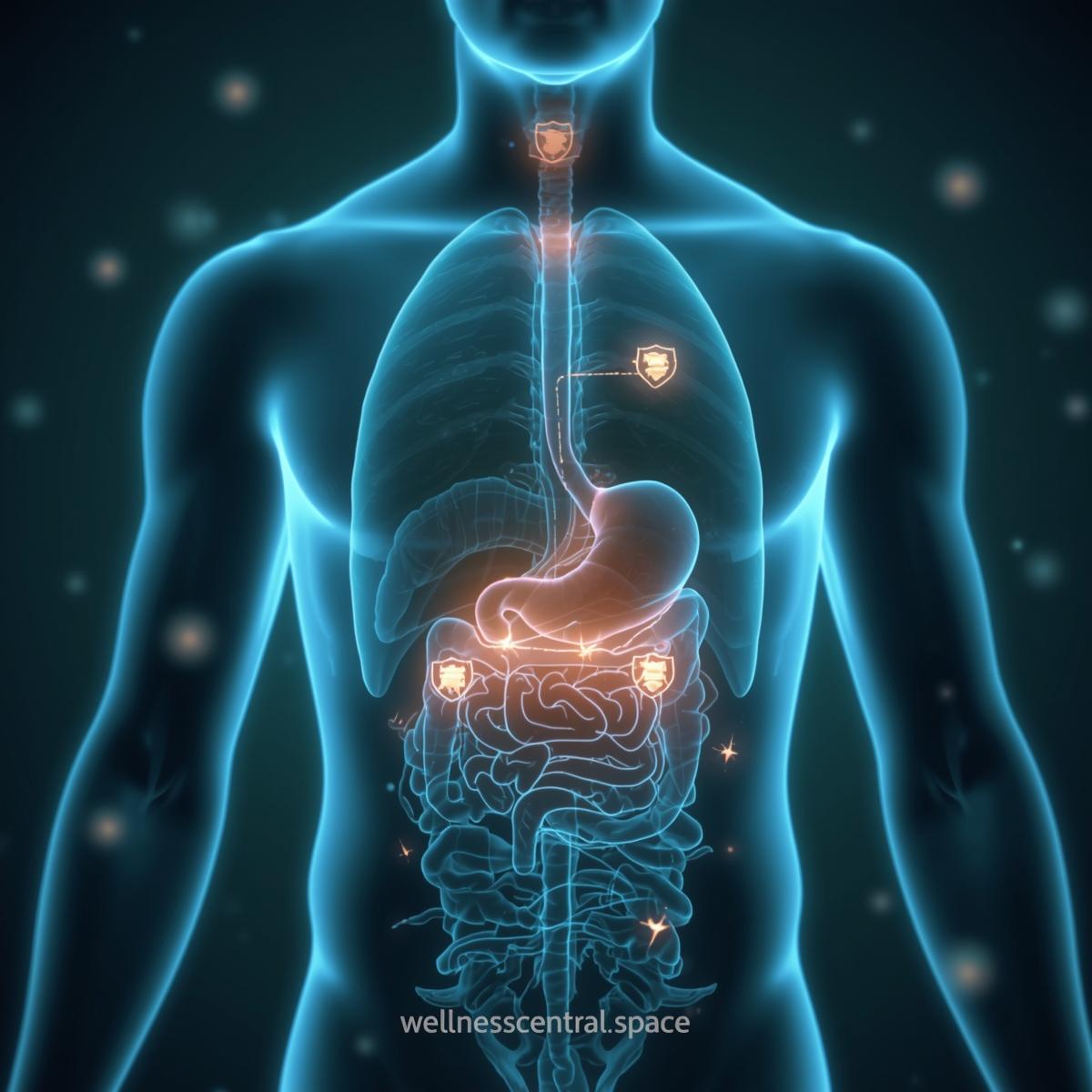
Digestive health depends on the foods consumed and how the digestive system processes them. Efficient digestion breaks down nutrients, supports absorption, and maintains gut microbiota balance.
Certain foods improve digestion by supplying fiber, supporting gut bacteria, and facilitating smooth movement through the digestive tract. Regular intake of these foods supports both digestive function and immune regulation.
This article details foods that improve digestion and how they support overall gut health.
Fiber-Rich Foods
Fiber is a critical component for digestive function. It regulates bowel movements, supports gut bacteria, and contributes to nutrient absorption.
There are two types of fiber:
- Soluble fiber dissolves in water and forms a gel, slowing digestion and aiding nutrient absorption.
- Insoluble fiber adds bulk to stool and facilitates passage through the digestive tract.
Fiber Sources
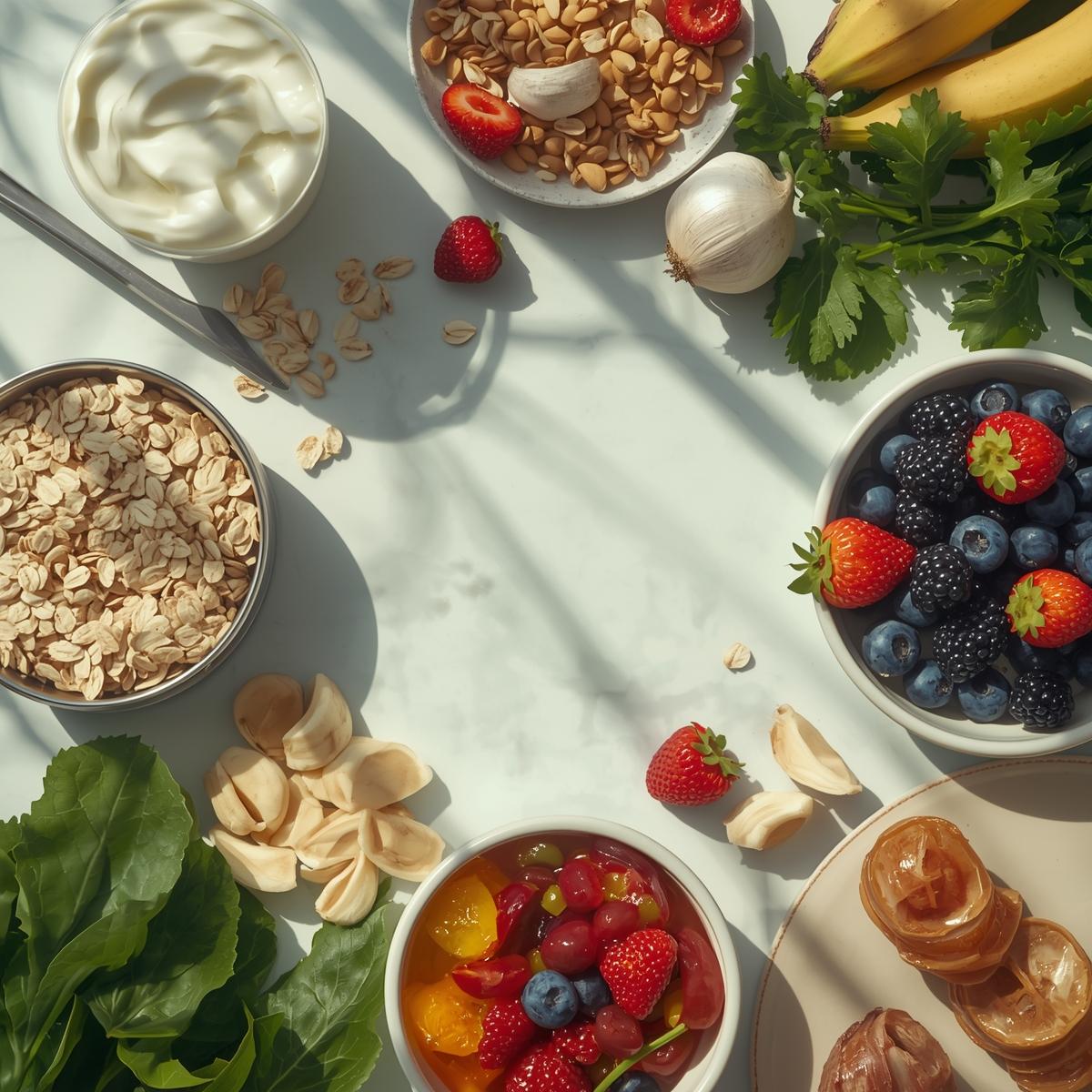
- Whole grains such as oats, brown rice, and barley
- Legumes including beans, lentils, and chickpeas
- Fruits such as apples, pears, and berries
- Vegetables including leafy greens, carrots, and broccoli
Daily fiber intake supports regular digestion and encourages beneficial gut bacteria.
Fermented Foods
Fermented foods contain live bacteria that help maintain microbial balance in the gut. These bacteria contribute to digestion and support the immune system.
Common Fermented Foods
- Yogurt with live cultures
- Kefir
- Sauerkraut
- Kimchi
- Miso and tempeh
Consuming fermented foods regularly helps replenish gut bacteria and supports nutrient processing.
Prebiotic Foods
Prebiotics are types of fiber that feed beneficial gut bacteria. They enhance bacterial growth and activity, supporting digestion.
Prebiotic Sources
- Garlic
- Onions
- Leeks
- Asparagus
- Bananas
- Whole grains
Including prebiotic foods in the diet maintains microbial balance and supports regular bowel movements.
Hydrating Foods
Water supports digestive function. Fluids help soften stool and facilitate smooth movement through the intestines.
Hydrating Foods
- Fruits such as watermelon, oranges, and grapes
- Vegetables including cucumbers, lettuce, and celery
- Broths and soups
Hydration enhances nutrient absorption and prevents constipation.
Protein Sources for Digestive Efficiency
Protein is essential for tissue repair, including cells lining the gut. Proper protein intake supports digestion and nutrient transport.
Protein Sources
- Lean meats such as poultry and fish
- Eggs
- Legumes
- Dairy products
Balanced protein intake supports gut lining and enzymatic activity in digestion.
Healthy Fats
Fats support the absorption of fat-soluble vitamins (A, D, E, K) and slow digestion, allowing more time for nutrient absorption.
Sources of Healthy Fats
- Olive oil
- Nuts and seeds
- Fatty fish such as salmon and sardines
Healthy fats support nutrient transport and smooth digestive processes.
Ginger and Digestive Spices
Certain spices aid digestive signaling, enzyme activity, and motility.
Common Digestive Spices
- Ginger
- Fennel seeds
- Peppermint
- Turmeric
Including these in meals can support digestion and reduce occasional discomfort.
Avoiding Foods That Slow Digestion
Some foods can disrupt digestion if consumed excessively:
- Highly processed foods
- Excessive fatty foods
- Large amounts of refined sugar
- Carbonated beverages
Limiting these allows digestive function to operate efficiently.
Meal Patterns That Support Digestion
Meal timing and portion control influence digestive efficiency.
- Eat at consistent times each day
- Avoid large meals before sleep
- Include balanced macronutrients in each meal
Structured meals allow the gut to process food effectively.
Role of Probiotics and Prebiotics
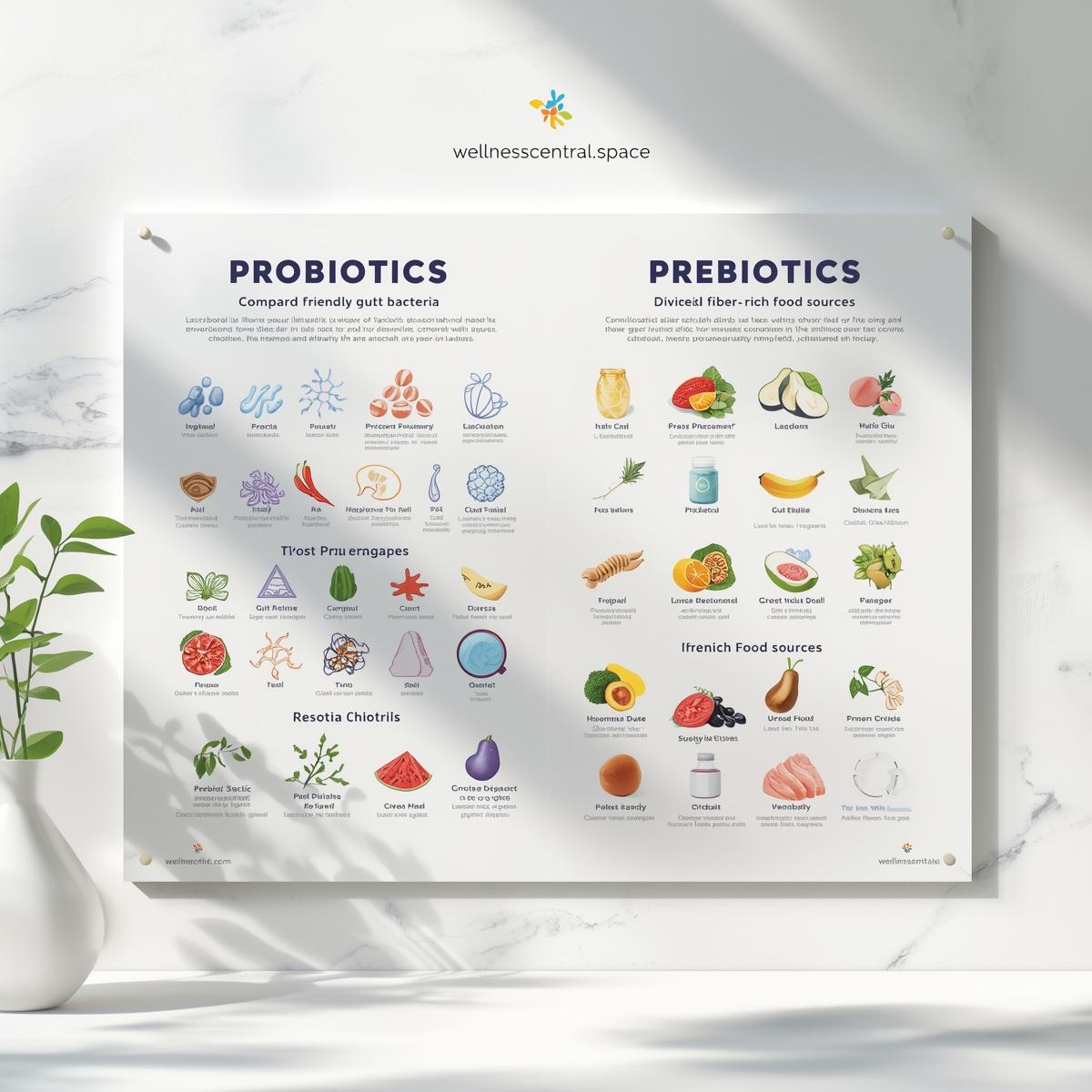
Probiotics introduce beneficial bacteria. Prebiotics feed these bacteria. Together, they maintain microbial balance and support digestion.
Regular intake of both types improves nutrient absorption and regulates bowel function.
Supporting Digestive Enzymes
Digestive enzymes break down carbohydrates, proteins, and fats. Some foods enhance enzyme activity:
- Pineapple (bromelain)
- Papaya (papain)
- Fermented dairy
Enzyme support facilitates complete nutrient processing.
Long-Term Habits for Digestive Health
Consistent dietary habits impact gut function over time.
- Include a mix of fiber, prebiotics, and fermented foods
- Stay hydrated
- Eat balanced meals at regular times
- Limit processed and sugary foods
Long-term consistency maintains microbial balance and digestion.
Conclusion
Foods that improve digestion provide nutrients, fiber, hydration, and bacteria for microbial balance. Fiber, fermented foods, prebiotics, protein, healthy fats, and digestive spices support regular gut function.
Dietary patterns, meal timing, and long-term consistency have the most influence on digestive health. Maintaining these patterns ensures proper nutrient absorption and supports overall body regulation, including immune function.





Leave a Reply