

Introduction
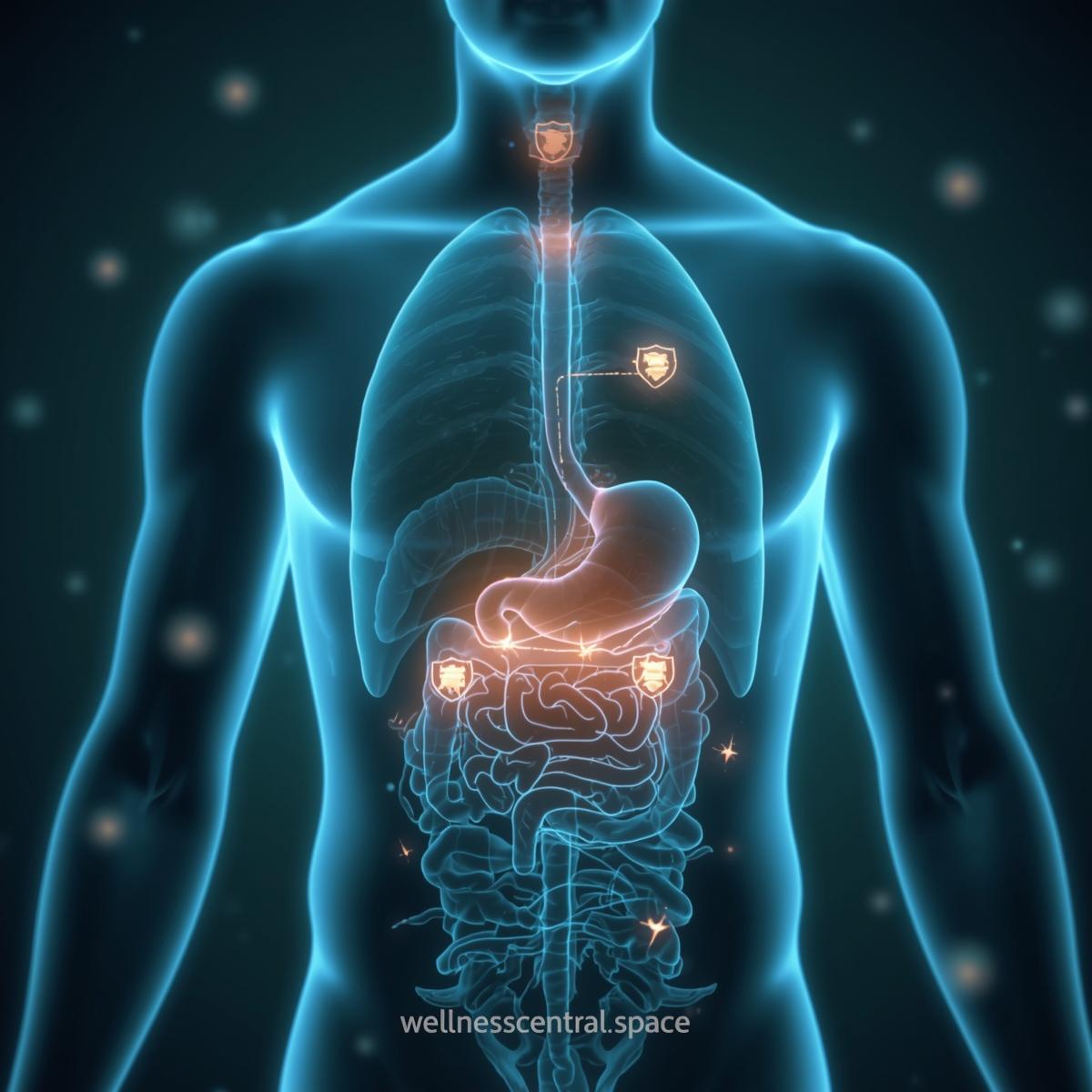
Gut health depends on a balance of bacteria, digestive function, and nutrient absorption. Probiotics and prebiotics both play essential roles in maintaining this balance, but they work differently.
Understanding the distinction between probiotics and prebiotics helps in making dietary choices that support digestion, immune function, and overall health. This article explains what probiotics and prebiotics are, how they work, and how to include them in a diet.
What Are Probiotics?
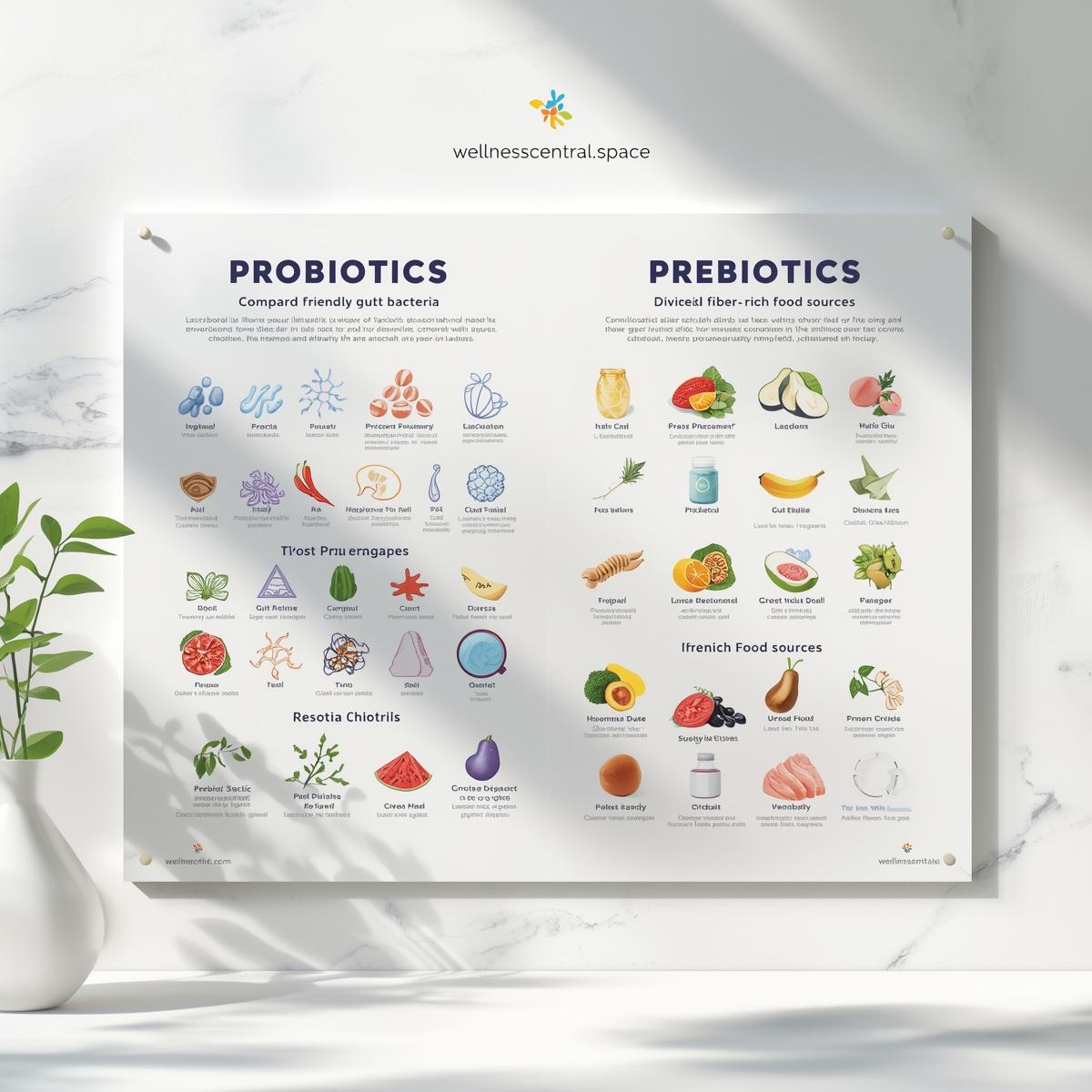
Probiotics are live bacteria that, when consumed in adequate amounts, support gut microbial balance. They help maintain a stable population of beneficial bacteria and compete with harmful bacteria.
Probiotics contribute to:
- Digestion of certain foods
- Production of short-chain fatty acids
- Regulation of immune cells
- Support for gut barrier integrity
Regular intake of probiotics helps maintain a healthy gut ecosystem.
Food Sources of Probiotics
- Yogurt with live cultures
- Kefir
- Sauerkraut
- Kimchi
- Miso and tempeh
- Certain cheeses
Probiotic supplements are also available but should be chosen based on strain and quantity.
What Are Prebiotics?
Prebiotics are non-digestible compounds in food that feed beneficial gut bacteria. They serve as fuel for probiotics and support their growth and activity.
Prebiotics indirectly influence digestion, immune signaling, and nutrient absorption by supporting microbial balance.
Food Sources of Prebiotics
- Garlic
- Onions
- Leeks
- Asparagus
- Bananas
- Whole grains
Consistent intake of prebiotics ensures that probiotic bacteria thrive and maintain balance in the gut.
How Probiotics and Prebiotics Work Together
Probiotics and prebiotics form a symbiotic relationship:
- Probiotics introduce beneficial bacteria into the gut.
- Prebiotics provide food for these bacteria to grow and remain active.
Together, they support:
- Stable microbial populations
- Efficient digestion
- Nutrient absorption
- Immune system regulation
This interaction is sometimes called a synbiotic effect.
Benefits of Probiotics
Probiotics support digestion and microbial balance. Their effects include:
- Reducing the occurrence of diarrhea
- Supporting nutrient absorption
- Strengthening the gut barrier
- Modulating immune responses
Different strains have different effects, so variety in sources may be beneficial.
Benefits of Prebiotics
Prebiotics enhance the activity of beneficial bacteria and support digestive efficiency. Benefits include:
- Promoting regular bowel movements
- Supporting short-chain fatty acid production
- Reducing inflammation in the gut
- Enhancing immune function
Prebiotics indirectly support overall gut ecosystem stability.
Signs You May Need More Probiotics or Prebiotics
Indicators of low probiotics:
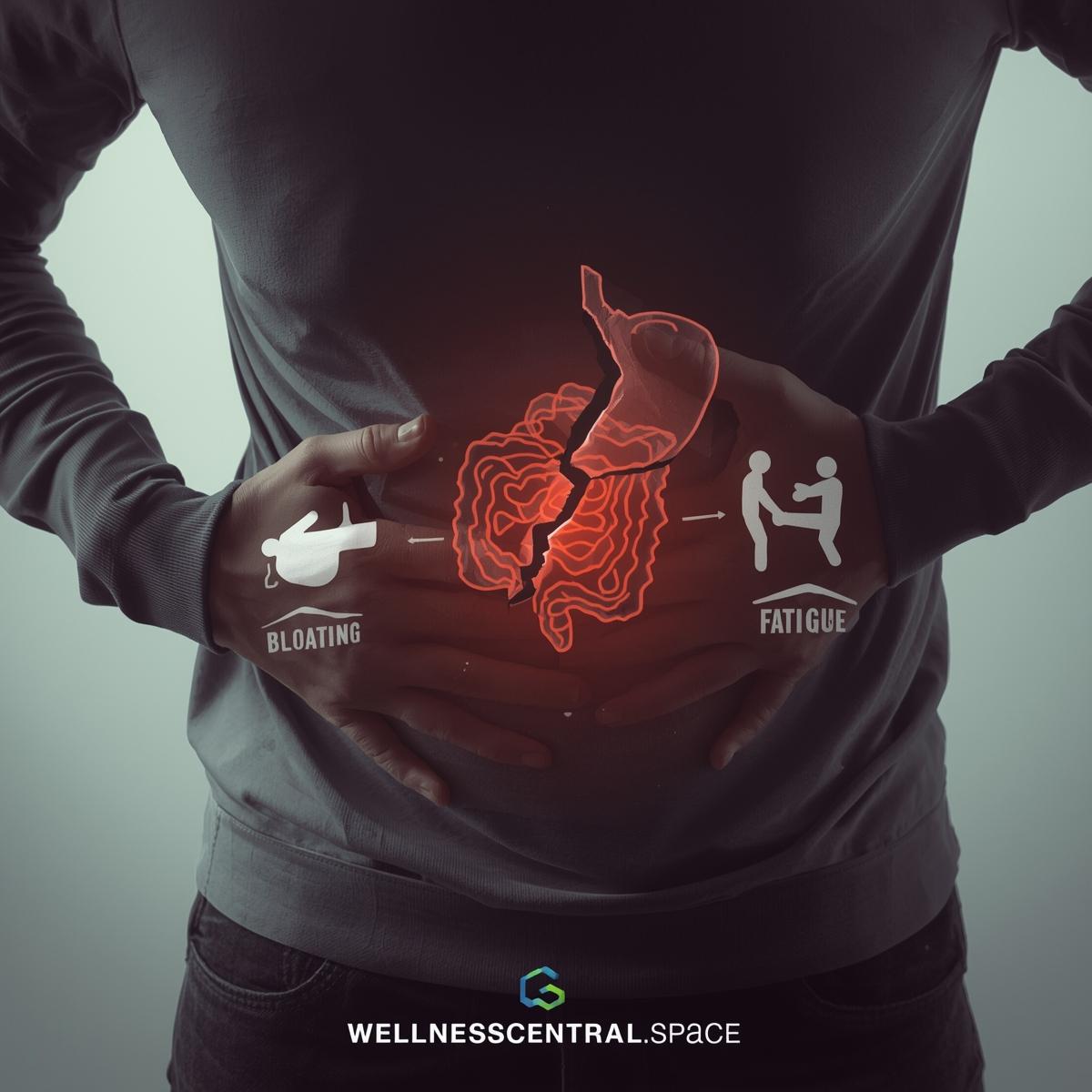
- Frequent digestive discomfort
- Irregular bowel movements
- Recurrent infections
Indicators of low prebiotics:
- Reduced microbial diversity
- Poor fermentation in the gut
- Bloating after low-fiber meals
Including a combination of foods or supplements can help restore balance.
How to Include Probiotics and Prebiotics in Your Diet
- Include fermented foods for probiotics
- Include fiber-rich foods for prebiotics
- Maintain variety in meals
- Pair prebiotics and probiotics when possible (e.g., yogurt with banana)
Consistent intake supports digestion and microbial balance over time.
Precautions and Considerations
- Not all probiotic strains are the same; benefits may vary by strain.
- People with certain medical conditions should consult a healthcare professional before taking supplements.
- Balance is more important than high doses; excessive supplementation may disrupt microbial balance.
Proper monitoring ensures safe and effective use.
Long-Term Support for Gut Health
Maintaining gut health involves consistent dietary choices and lifestyle habits:
- Balanced diet with fiber and fermented foods
- Regular hydration
- Stress management
- Adequate sleep
- Regular physical activity
These factors support microbial balance and enhance the effects of prebiotics and probiotics.
Conclusion
Probiotics and prebiotics serve complementary roles in gut health. Probiotics introduce beneficial bacteria, while prebiotics feed and maintain them. Together, they support digestion, nutrient absorption, immune function, and gut-brain signaling.
Including both in a consistent dietary routine strengthens microbial balance, enhances digestion, and contributes to overall health. Understanding their roles allows informed decisions to support long-term gut function.





Leave a Reply