
Introduction
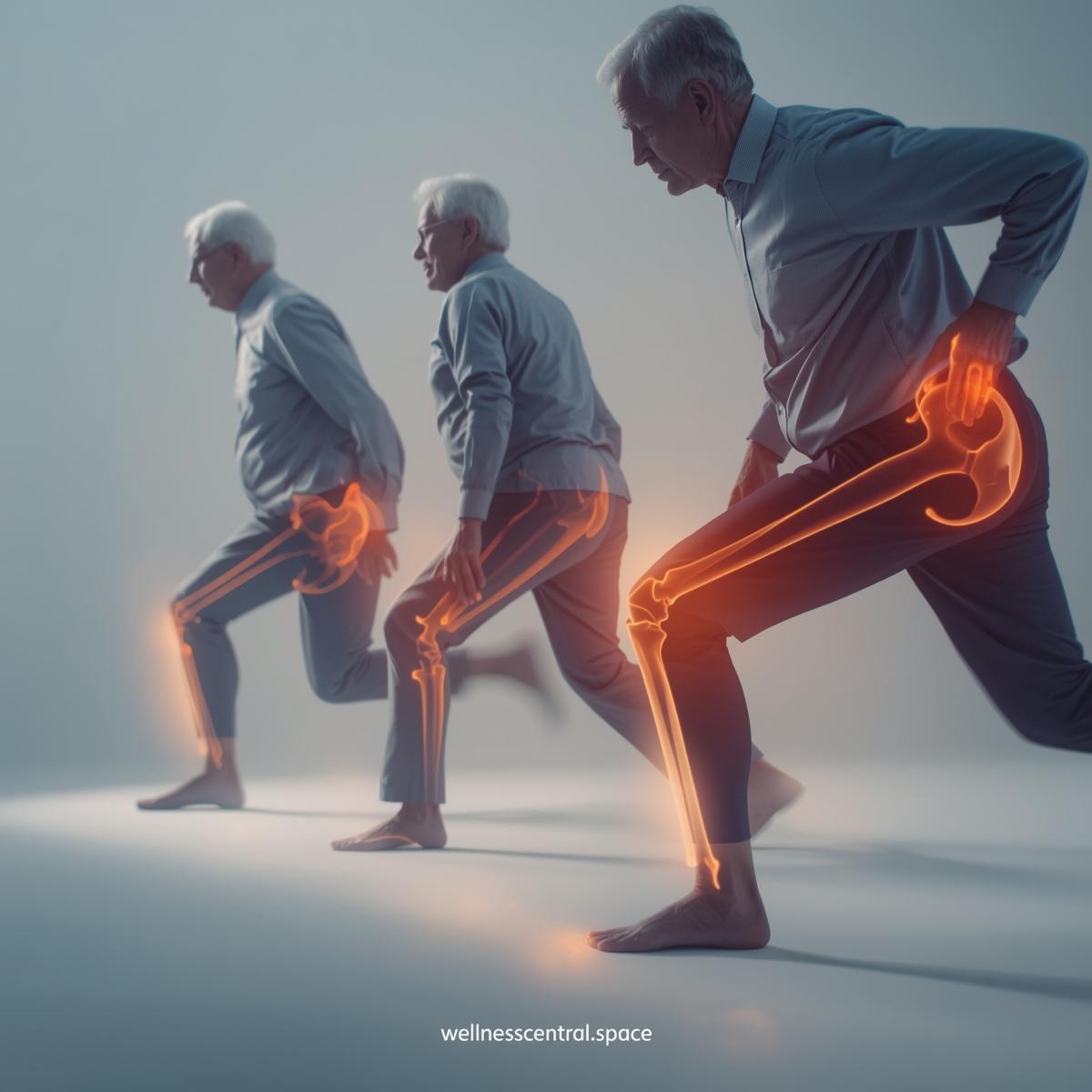
Mobility is the ability to move freely and efficiently. As people age, mobility often declines due to reduced muscle strength, joint changes, and decreased flexibility. Maintaining mobility is essential for independence, safety, and overall function.
This article explains why mobility is critical for aging, common challenges, and practical strategies to maintain movement and flexibility.
Role of Mobility in Daily Life
Mobility affects every daily activity, including walking, bending, reaching, and climbing stairs. Reduced mobility can lead to:
- Difficulty performing household tasks
- Increased risk of falls and injuries
- Reduced participation in social or recreational activities
Maintaining mobility ensures independence and supports overall quality of life.
Muscle Strength and Mobility
Muscle strength is essential for movement. Aging naturally reduces muscle mass, which can affect balance, coordination, and endurance.
Strategies to Maintain Muscle Strength
- Resistance training using weights or bodyweight
- Regular walking or light cardio
- Incorporating functional movements like squats and lunges
Preserving muscle strength supports joint stability and daily movement.
Joint Health
Joint function affects range of motion and comfort during movement. Aging may lead to cartilage thinning or reduced synovial fluid production, which can limit mobility.
Supporting Joint Function
- Low-impact exercises such as swimming or cycling
- Stretching to maintain range of motion
- Adequate nutrient intake, including calcium and vitamin D
- Maintaining healthy body weight to reduce joint stress
Healthy joints allow smooth movement and reduce the risk of injury.
Flexibility
Flexibility is the ability to move joints through a full range of motion. Limited flexibility can reduce functional capacity and increase injury risk.
Maintaining Flexibility
- Daily stretching routines
- Yoga or tai chi for controlled movement
- Incorporating dynamic stretches before activity
Consistent flexibility exercises support mobility and reduce strain on muscles and joints.
Balance and Coordination
Balance is critical for fall prevention. Aging can reduce balance due to changes in muscle strength, sensory perception, and reflexes.
Balance Exercises
- Standing on one leg
- Heel-to-toe walking
- Core strengthening exercises
- Use of balance boards or stability exercises
Improving balance enhances mobility and reduces the likelihood of falls.
Movement and Circulation
Regular movement supports circulation, which is essential for tissue repair, joint lubrication, and overall function. Sedentary behavior can reduce circulation and limit mobility.
Practical Tips
- Break long periods of sitting with short walks
- Engage in regular daily activity
- Include stretching and light exercises throughout the day
Movement supports overall function and preserves mobility.
Posture and Alignment
Proper posture reduces stress on muscles and joints. Aging can lead to postural changes that limit mobility.
Strategies for Good Posture
- Strengthen core muscles
- Adjust seating and workstation ergonomics
- Practice mindful alignment during daily tasks
Maintaining posture ensures efficiency in movement and reduces strain.
Preventing Mobility Loss
- Regular physical activity
- Balanced nutrition to support muscles and joints
- Weight management
- Avoiding injury through safe movement and proper technique
Early intervention prevents loss of mobility and preserves independence.
Conclusion
Mobility is essential for independence, safety, and overall function during aging. Muscle strength, joint health, flexibility, balance, circulation, and posture all contribute to movement capacity.
Consistent physical activity, stretching, and preventive strategies maintain mobility and allow continued participation in daily and social activities. Protecting mobility supports quality of life and reduces the risks associated with aging.




Leave a Reply