

Introduction
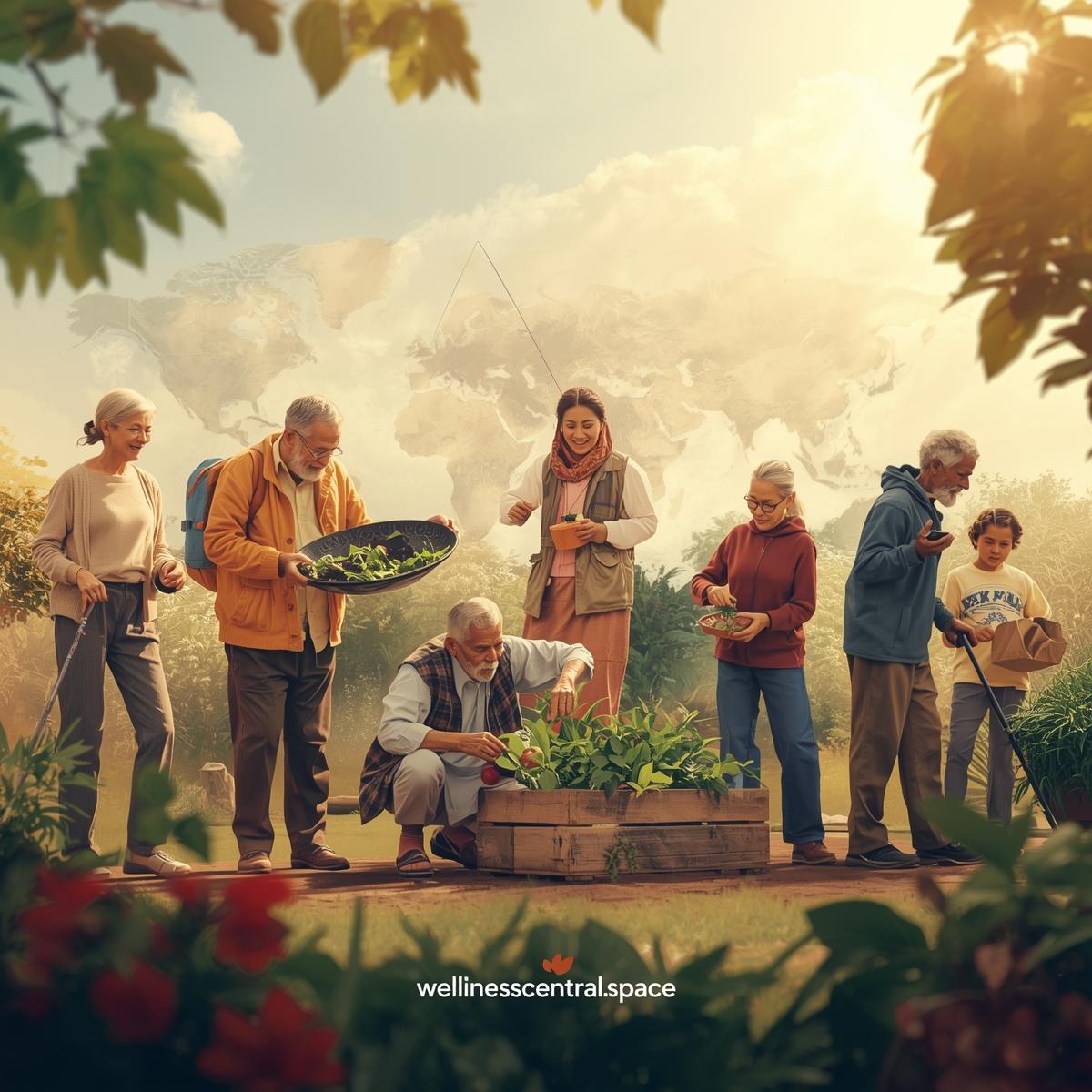
Some regions of the world have higher numbers of long-living populations. Researchers studying these populations observe patterns in diet, physical activity, social connection, and lifestyle habits.
These longevity habits provide insights into practices that support extended health span and functional independence. This article explores common habits from long-living cultures and practical lessons that can be applied.
Balanced Diets
Diet plays a central role in longevity. Populations with longer lifespans tend to consume whole, minimally processed foods and maintain balanced macronutrient intake.
Key Patterns
- High intake of vegetables and legumes
- Moderate consumption of whole grains
- Limited red meat and processed foods
- Healthy fats from sources such as nuts, seeds, and fish
Consistent adherence to balanced diets supports energy, nutrient absorption, and metabolic health.
Regular Physical Activity
Long-living populations incorporate movement naturally into daily life rather than relying on structured exercise alone.
Common Practices
- Walking or cycling as primary transportation
- Gardening or manual tasks
- Light strength and flexibility exercises
Frequent movement supports cardiovascular function, mobility, and balance.
Social Engagement
Social connection is a shared feature among long-living communities. Maintaining relationships contributes to emotional stability, mental health, and cognitive function.
Social Patterns
- Close family networks
- Active community participation
- Regular shared meals or group activities
Engagement in social networks supports purpose and motivation.
Stress Management
Chronic stress negatively affects health. Long-living populations tend to manage stress through routines, meditation, or cultural practices.
Observed Practices
- Daily periods of rest or reflection
- Mindful activities such as tea ceremonies or meditation
- Maintaining work-life balance
Managing stress supports hormonal balance and immune regulation.
Adequate Sleep
Sleep is valued and incorporated consistently in long-living populations. Adequate sleep supports tissue repair, cognitive function, and metabolic regulation.
Sleep Practices
- Consistent sleep schedules
- Naps or rest periods during the day
- Avoidance of late-night heavy activity
Regular sleep maintains energy and recovery processes.
Moderate Alcohol Intake
In some regions with high longevity, moderate alcohol consumption occurs, usually in social or ritual contexts. Wine or fermented beverages are common.
Guidelines Observed
- Moderate intake only during meals or gatherings
- Focus on natural or minimally processed beverages
- Avoidance of excessive consumption
Moderation supports cardiovascular function and social engagement.
Connection with Nature
Spending time outdoors is common in long-living populations. Exposure to sunlight and natural environments supports vitamin D production, circulation, and psychological well-being.
Practical Habits
- Daily walking or gardening
- Outdoor recreational activities
- Incorporating green spaces in living areas
Interaction with nature supports both physical and mental health.
Purpose and Routine
Having a daily purpose is consistently observed among long-living populations. Purpose drives motivation, activity, and mental engagement.
Examples
- Maintaining work or family responsibilities
- Volunteering or community involvement
- Pursuing hobbies and personal projects
A sense of purpose contributes to sustained cognitive function and resilience.
Cultural Practices and Traditions
Cultural routines and traditions influence longevity. Meal timing, social rituals, and activity patterns create structured lifestyles that support health.
Practical Lessons
- Eating in moderation
- Maintaining consistent daily routines
- Participating in group or family traditions
Cultural consistency reinforces healthy habits over the lifespan.
Conclusion
Long-living populations share patterns in diet, physical activity, social engagement, stress management, sleep, and purpose. These habits support energy, mobility, immunity, and cognitive function.
Incorporating lessons from these cultures—balanced diet, daily movement, social connection, stress management, adequate sleep, time in nature, and a sense of purpose—supports longevity and quality of life.
Focusing on these habits allows individuals to maintain independence and functional capacity over time, regardless of location or culture.



Leave a Reply