


Introduction
The immune system protects the body from infection and internal imbalance. When immune function is reduced, the body may struggle to respond to common threats. Many people overlook early signals because symptoms may appear unrelated.
A weak immune system does not always cause serious illness at first. It often shows subtle changes in energy, digestion, recovery, and resistance to infection. Recognizing these signs early allows people to adjust habits before problems progress.
This article explains early symptoms of a weak immune system and how they appear in daily life.
How Immune Weakness Develops
Immune weakness develops when immune cells fail to respond at normal levels. This can happen due to nutrient shortage, sleep disruption, stress exposure, gut imbalance, or repeated illness.
The immune system depends on communication between cells. When signaling slows or becomes irregular, response time changes.
Immune weakness can be temporary or ongoing depending on lifestyle patterns.
Frequent Infections
One of the most common signs of immune weakness is frequent infection. This may include repeated colds, flu episodes, or infections that return after recovery.
The immune system usually remembers past infections. When immune memory is limited, the body reacts as if exposure is new.
Patterns to Notice
- Getting sick many times per year
- Infections lasting longer than usual
- Recovery requiring extended time
Frequent infection suggests immune response is delayed or incomplete.
Slow Wound Healing
The immune system supports tissue repair. When immune function is reduced, wounds may heal slowly.
Immune cells help clean damaged tissue and support repair signals. When this process slows, healing takes more time.
Signs Related to Healing
- Cuts closing slowly
- Bruises remaining visible longer
- Skin irritation persisting
Slow healing can indicate immune cell response issues.
Digestive Discomfort
A large part of immune activity occurs in the digestive system. Gut bacteria interact with immune cells to regulate response.
When immune balance is disrupted, digestion may change.
Digestive Signals
- Bloating after meals
- Irregular bowel movements
- Discomfort without clear cause
Digestive changes may reflect immune imbalance in the gut.
Persistent Fatigue
The immune system requires energy. When immune activity increases or becomes inefficient, energy use rises.
Persistent fatigue may occur even without physical effort.
Fatigue Patterns
- Low energy during the day
- Difficulty maintaining focus
- Feeling tired after rest
Fatigue can signal immune strain or immune overactivity.
Frequent Inflammation
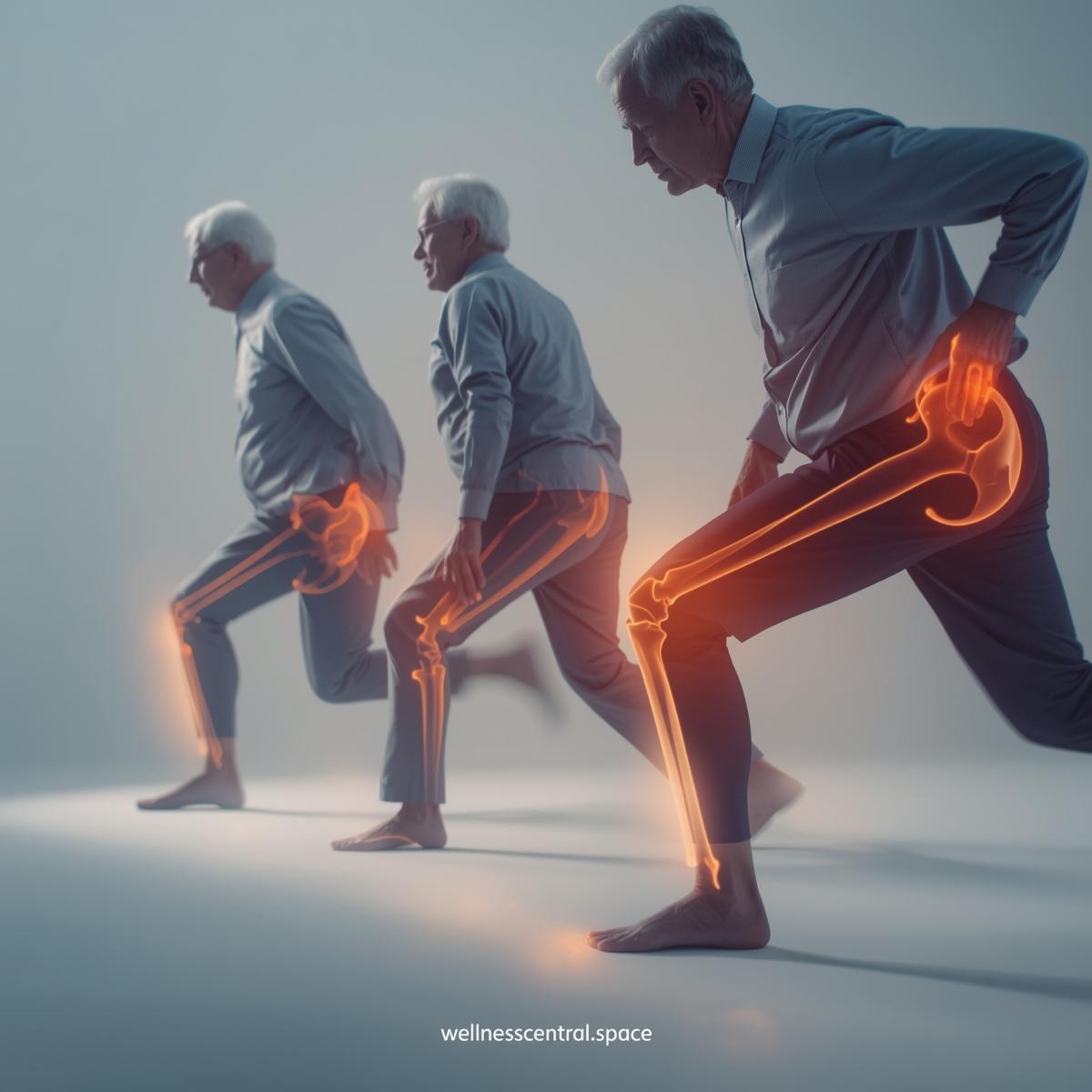
Inflammation is part of immune response. When immune control weakens, inflammation may increase or fail to resolve.
This may appear as swelling, pain, or discomfort without injury.
Inflammation Indicators
- Joint discomfort
- Muscle soreness without activity
- Tissue sensitivity
Uncontrolled inflammation can reflect immune regulation issues.
Recurring Infections in Specific Areas
Some people experience repeated infections in the same area, such as sinuses, throat, skin, or urinary tract.
This suggests localized immune response problems.
Examples
- Repeated sinus issues
- Skin infections
- Oral infections
Localized immune weakness may reflect barrier function issues.
Skin Changes
The skin acts as a barrier. Immune cells support this barrier.
When immune function weakens, skin changes may occur.
Possible Skin Signals
- Dryness
- Irritation
- Frequent breakouts
Skin symptoms can reflect immune barrier disruption.
Poor Response to Vaccines
Vaccines rely on immune memory. A weak immune system may not respond as expected.
This does not mean vaccines fail, but immune memory formation may be limited.
Indicators
- Illness despite vaccination
- Limited immune response markers
This should be evaluated by a health professional.
Allergy Changes
Immune imbalance may affect how the body responds to allergens.
Some people experience new sensitivities or changes in existing responses.
Signs
- Increased reactions
- New food sensitivities
- Environmental reactions
This may reflect immune regulation changes.
Frequent Illness After Stress
Stress affects immune signaling. When immune function is weak, illness may follow stress exposure.
Patterns
- Getting sick after emotional strain
- Illness following lack of rest
Stress-related illness suggests immune vulnerability.
Low Resistance to Common Illness
When immune response slows, exposure to common viruses may lead to illness more often.
This includes infections others recover from easily.
Changes in Blood Test Markers
Some immune weakness signs appear in lab results.
Examples
- Low white blood cell count
- Irregular inflammatory markers
These results require medical interpretation.
Poor Recovery From Exercise
Exercise stresses the body. Recovery depends on immune support.
When immune function is limited, recovery may slow.
Recovery Signs
- Extended soreness
- Reduced performance
- Need for longer rest
This may reflect immune strain.
Repeated Use of Antibiotics
Frequent antibiotic use can disrupt gut bacteria. This affects immune balance.
This cycle may weaken immune regulation over time.
When to Seek Medical Evaluation
Some signs require professional evaluation, especially if symptoms persist.
These include:
- Ongoing infections
- Severe fatigue
- Unexplained inflammation
Medical testing can identify underlying causes.
Supporting Immune Awareness
Tracking patterns helps identify immune weakness.
Useful steps include:
- Monitoring illness frequency
- Noting recovery time
- Observing digestion and energy
Awareness supports early action.
Conclusion
A weak immune system often shows early signs before serious illness occurs. These signs may involve infection frequency, healing time, digestion, fatigue, inflammation, and recovery.
Recognizing these signals allows lifestyle changes that support immune balance. Early awareness supports immune function and long-term health.






Leave a Reply