

Introduction
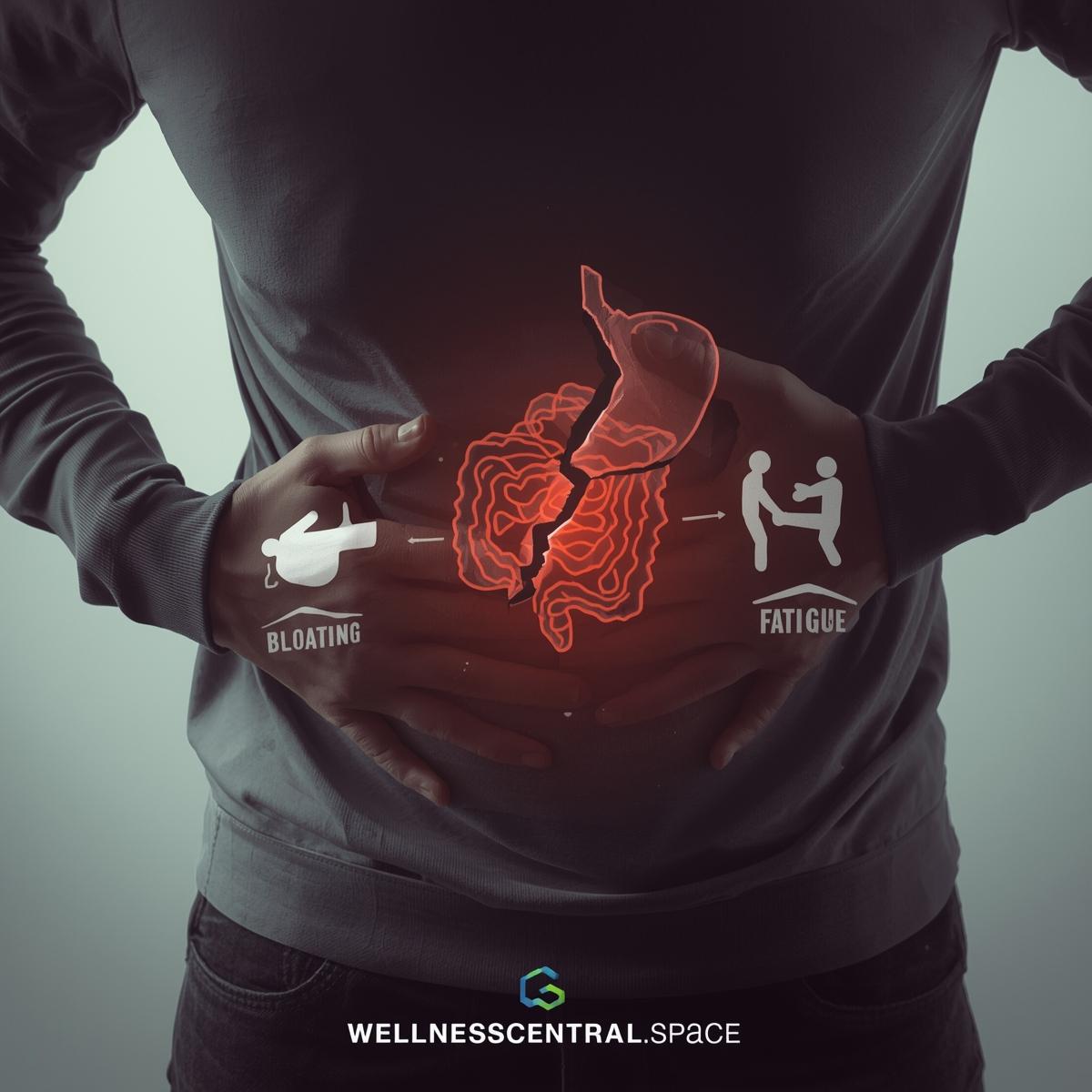
The gut plays a central role in digestion, nutrient absorption, immune regulation, and communication with the brain. When gut health is compromised, the effects extend beyond digestion.
Poor gut function may present as digestive issues, changes in energy, immune irregularities, or even mood and cognitive shifts. Recognizing early signs allows intervention before chronic problems develop.
This article explains both digestive and non-digestive signs of poor gut health.
Digestive Symptoms
Digestive issues are the most direct signals of gut imbalance. These may include:
Irregular Bowel Movements
- Constipation or infrequent stools
- Loose stools or diarrhea
- Alternating patterns
Irregular bowel movements can indicate imbalance in gut bacteria or motility issues.
Bloating and Gas
- Frequent abdominal bloating
- Excessive gas after meals
These symptoms often occur when gut bacteria produce excess gas or when food is not broken down efficiently.
Stomach Discomfort
- Abdominal cramping
- Sensation of fullness after small meals
Discomfort may indicate impaired digestive processes or inflammation in the gut lining.
Heartburn or Acid Reflux
- Frequent reflux after eating
- Burning sensation in the chest or throat
These signs may reflect digestive enzyme imbalance or slowed gut motility.
Non-Digestive Symptoms
Gut health influences immune function, energy, and brain communication. Poor gut function may present as:
Fatigue or Low Energy
- Feeling tired even after adequate rest
- Reduced capacity to perform daily tasks
Impaired nutrient absorption or chronic low-grade inflammation can contribute to fatigue.
Frequent Infections
- Regular colds or infections
- Slow recovery from illness
Gut microbiota interacts with immune cells. Imbalance can reduce immune response efficiency.
Mood and Cognitive Changes
- Difficulty concentrating
- Irritability or mood fluctuations
The gut-brain connection affects neurotransmitter production and signaling, which influences mental clarity and mood.
Skin Changes
- Dryness or irritation
- Breakouts or inflammation
The gut barrier regulates inflammation. Poor gut health may manifest as skin changes.
Weight Changes
Unexpected weight changes, either gain or loss, may signal gut imbalance.
- Malabsorption can lead to weight loss
- Altered microbiota may influence weight gain
Monitoring changes can help identify underlying gut issues.
Food Intolerance and Sensitivity
Emerging intolerance or sensitivity to certain foods may indicate gut disruption.
- Difficulty digesting certain carbohydrates or proteins
- Increased bloating or discomfort after specific foods
Food sensitivities often appear when microbial balance is disturbed or the gut lining is compromised.
Chronic Inflammation
Chronic gut inflammation may contribute to systemic issues.
- Joint discomfort without injury
- Low-level swelling
- Persistent tissue irritation
Inflammation in the gut may signal immune activation that affects other systems.
Immune-Related Signals
Poor gut health can weaken immune regulation. Signs include:
- Recurrent infections
- Slow response to vaccines
- Increased susceptibility to illness
A healthy gut helps immune cells distinguish between harmless and harmful stimuli.
Dental and Oral Health
Oral health can reflect gut function.
- Frequent mouth ulcers
- Gum inflammation
- Bad breath
Microbial imbalance in the gut can affect oral microbial populations and tissue integrity.
Recognizing Patterns
Multiple minor symptoms together may indicate gut imbalance even if individual signs seem mild.
Tracking patterns over time helps identify underlying issues. Useful steps include:
- Keeping a food and symptom journal
- Noting digestive and non-digestive symptoms
- Observing changes in energy, mood, or immunity
Early awareness allows adjustments in diet, hydration, and lifestyle to restore gut health.
Lifestyle Factors Affecting Gut Health
- Diet low in fiber and prebiotics
- Excessive processed foods or sugar
- Chronic stress
- Inconsistent sleep
- Sedentary behavior
Addressing these habits supports microbial balance and overall digestive function.
When to Seek Medical Evaluation
Persistent or severe symptoms may require professional evaluation. These include:
- Blood in stool
- Severe abdominal pain
- Unexplained weight loss
- Recurrent infections
Medical assessment can identify underlying conditions and guide interventions.
Conclusion
Poor gut health presents as both digestive and non-digestive symptoms. Irregular bowel movements, bloating, stomach discomfort, fatigue, mood changes, skin issues, and immune irregularities can indicate imbalance.
Early recognition and consistent lifestyle adjustments, including diet, hydration, movement, and stress management, support gut restoration. Monitoring patterns and responding proactively ensures the gut functions efficiently and supports overall health.







Leave a Reply